
The Way We See Has Changed
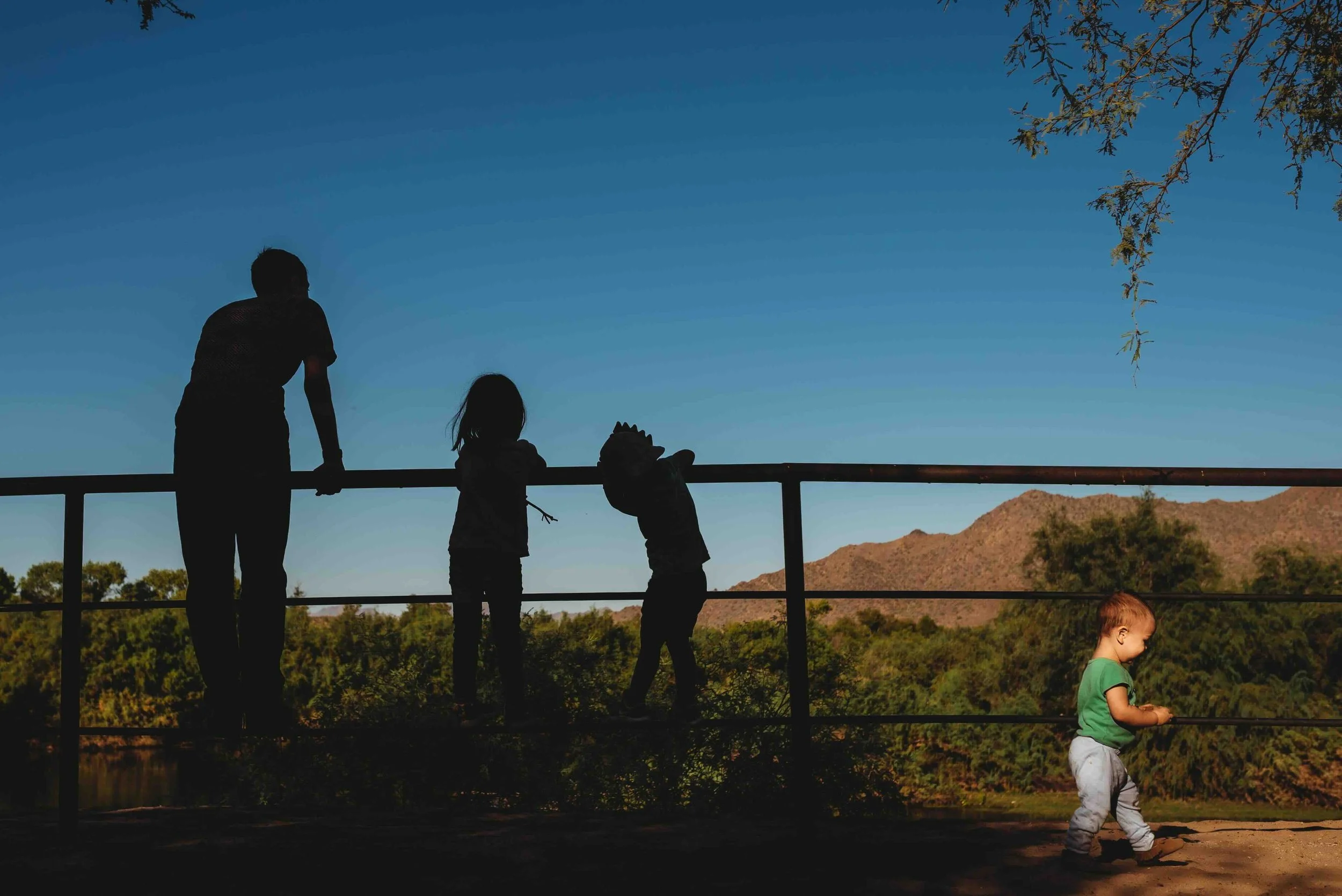
Social media didn’t just change what we look at.
It changed how we look.
For years, we’ve been training our eyes to see the world in small squares.
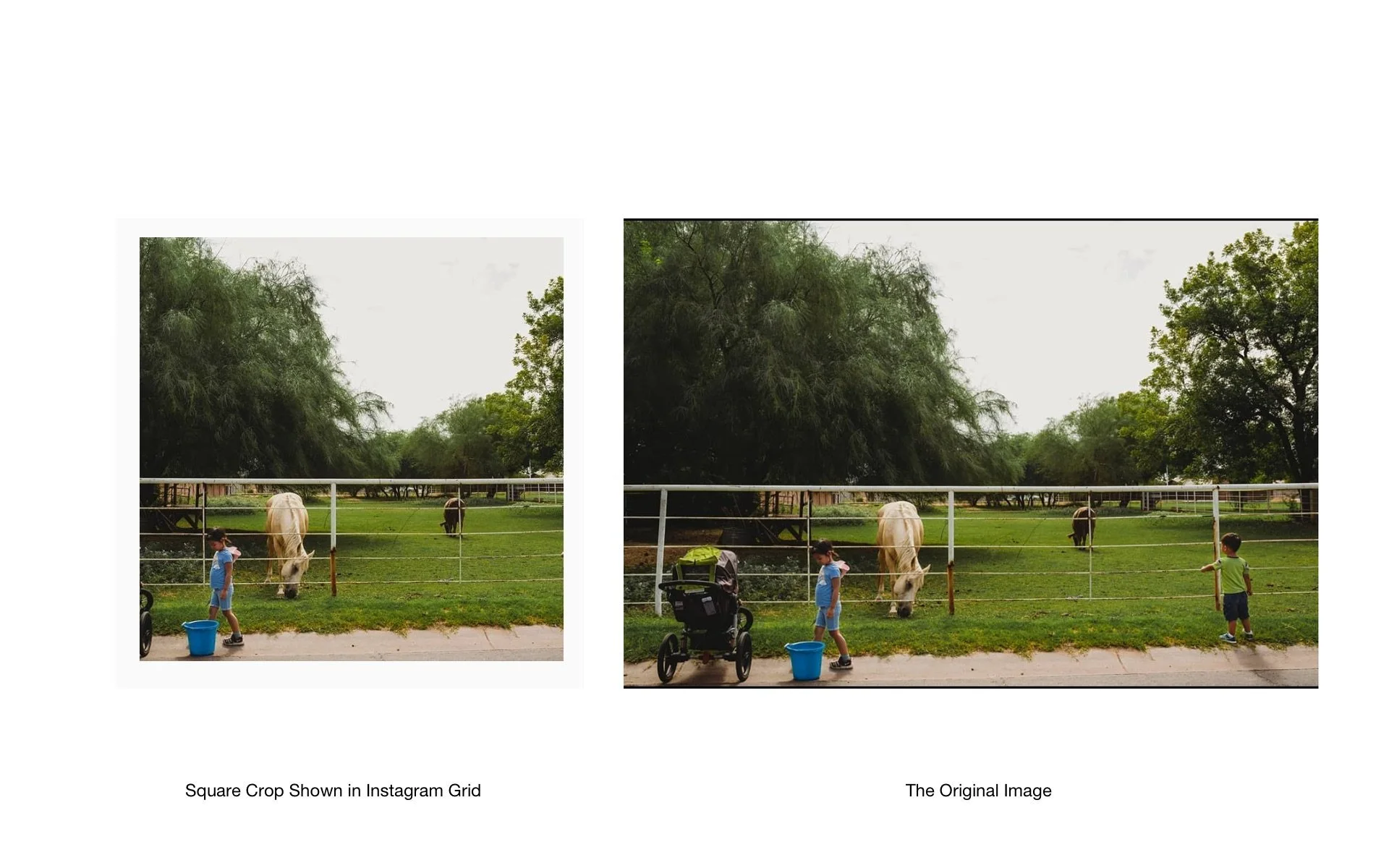
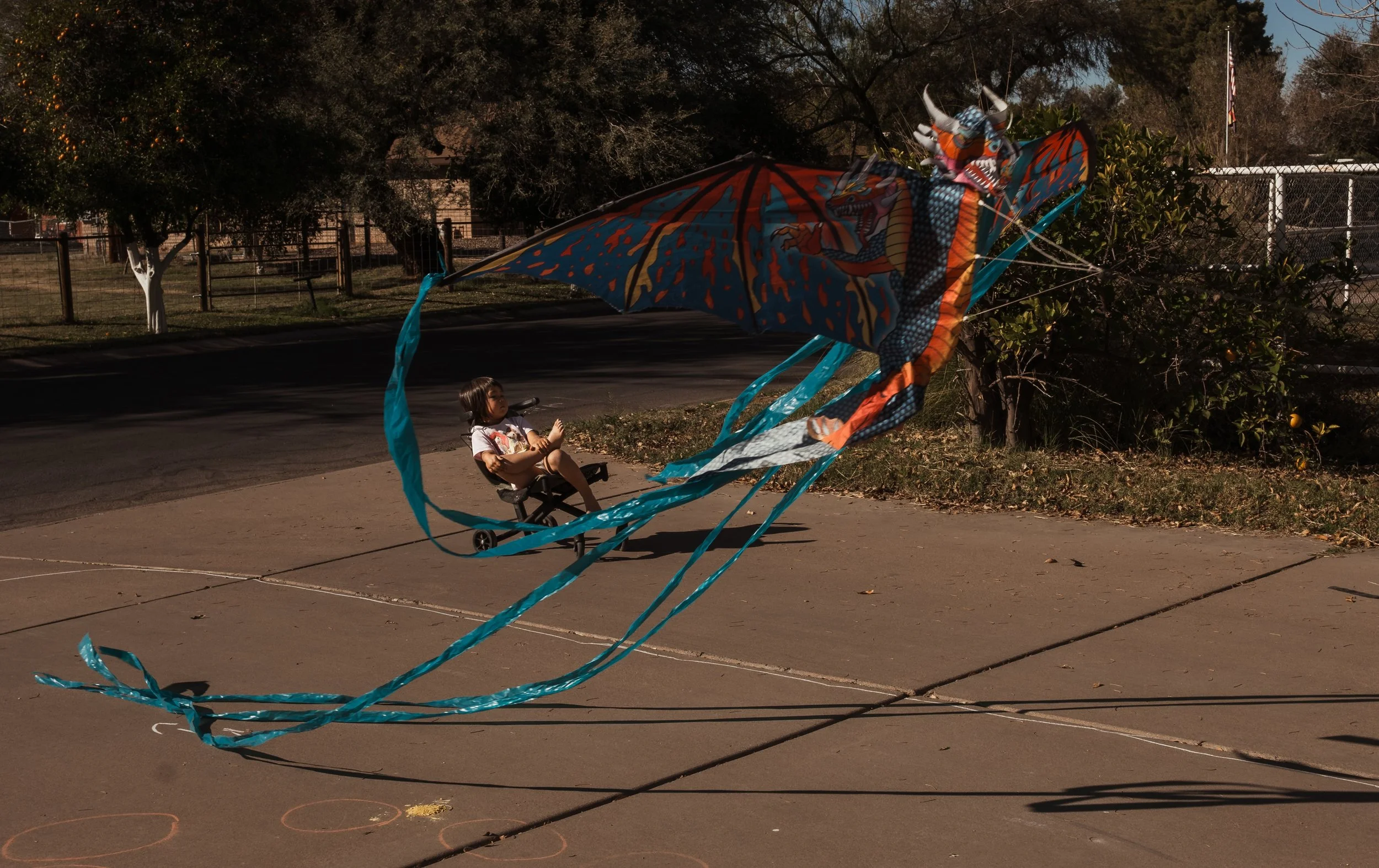
The square format centers everything. It pulls our attention inward. It crops the edges. It trims the corners. It removes context. And when the composition changes, the story changes.
What sits at the edges of a frame often holds tension, contrast, and meaning. But in the square, the peripheral gets sacrificed. The world becomes centered, simplified, and contained.
Real life isn’t like that.
Real life spills beyond the edges.
Cropped Vision, Cropped Stories
When you change composition, you change narrative.
I bet you have seen those “what you see vs what I see“behind-the-scenes comparisons. The final image looks composed, while the rest of the room beyond the frame is still very much real life messy house. I mean, truth to be told, I have done plenty of that when I do commercial shoots in real people’s homes. I stage an area in the nursery that will meet the aesthetics requirement from the brand and shove everything else into their study. However, real life shouldn’t always be a staged photoshoot.
The square has a way of isolating. Of polishing.
And over time, we’ve grown accustomed to seeing life trimmed into something neat.
But what we crop out matters.
Small Screens, Small Attention
Even when we view images on a computer, they are still small. A tiny square floating in a sea of white space. Rarely full screen. Rarely immersive.
We glance.
We don’t study.
We scroll before we truly see.
And when we stop attending to details in photographs, we begin to lose the habit of attending to details in life.
Details are where truth lives.
In a world where AI can generate flawless images in seconds, details are what separate reality from fabrication.
Perfection is easy to simulate.
Reality hides in the specifics.
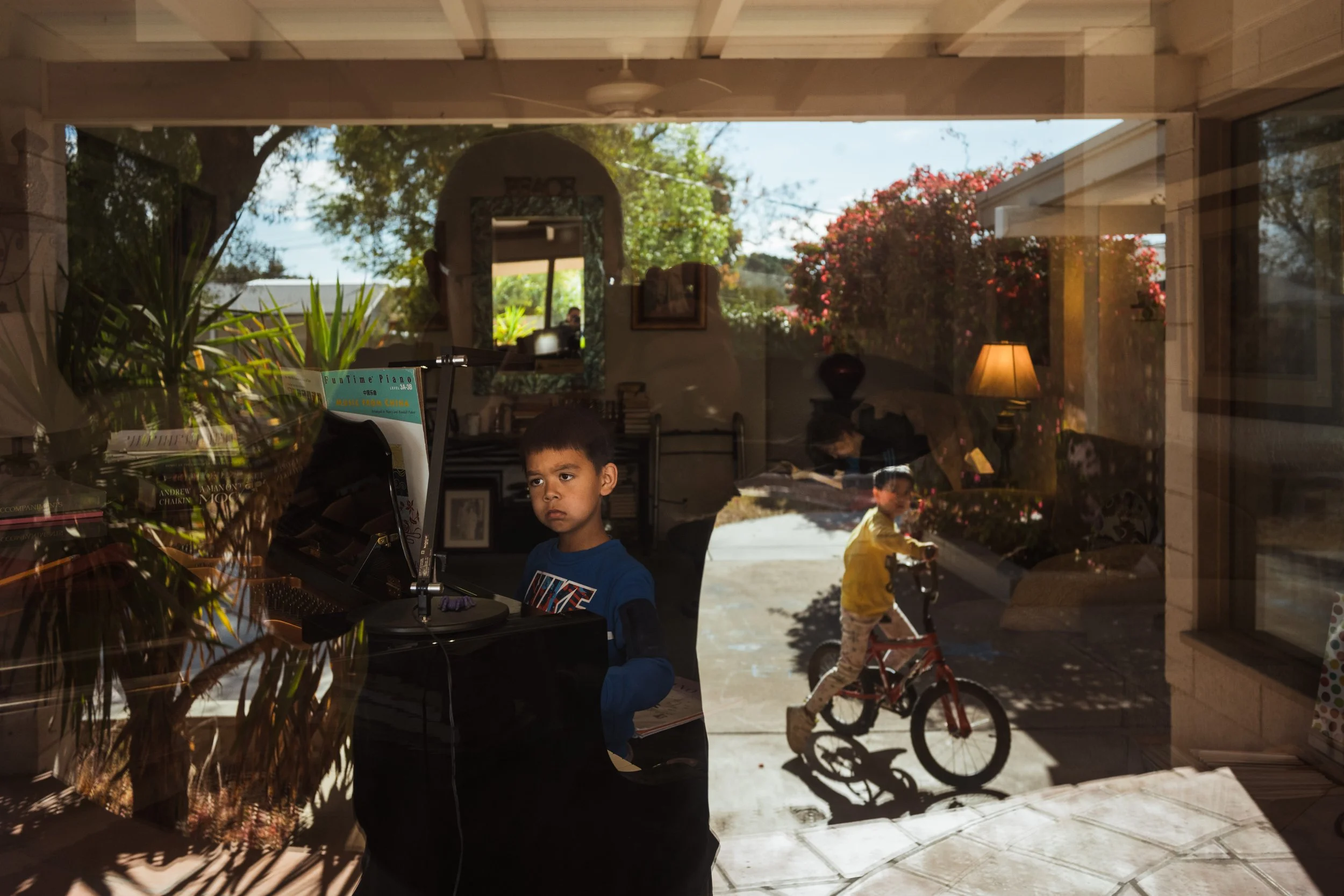
This image was one of the last photos I have taken with my MIL in the frame. It is an extremely layered and detailed photograph. The setting inside of the house as changed since then and it is continuing to change. Since this photograph is for me and my family, a lot of the details included might not immediately jump out to viewers who never knew our family or my MIL. However, the little details in this image indicate a tiny aspect of my MIL’s legacy and struggle before she passed.
The Fast-Food Effect
Social media has trained us to consume content like fast food.
Quick.
Digestible.
Dopamine-driven.
We expect the hook in the first three seconds. The payoff in thirty. Slap on a trending background music. The formula for success is neatly packaged and labeled.
Even when content isn’t explicitly about “how to succeed,” it quietly suggests that there is a formula for everything. For parenting. For business. For creativity. For happiness.
If we just find the right steps.
The right angle.
The right strategy.
And when our lives don’t follow that formula, we assume we are the problem. We are less than.
So we scroll.
Hoping the next “expert” — often defined by follower count rather than lived experience — will hand us the missing piece.
But art doesn’t work that way.
Life doesn’t work that way.
Art Is Slow
Art asks something different of us.
It asks us to pause.
To sit with what is unfinished.
To notice what is subtle.
To let the process matter more than the result.
There is no viral formula for meaningful work. No shortcut to depth. No preset that replaces presence.
The best photographs are not rushed. They are observed.
The best art is not optimized. It is considered.
And the best lives are not assembled for display. They are lived in real time.
To you and me as a regular person: slow down.
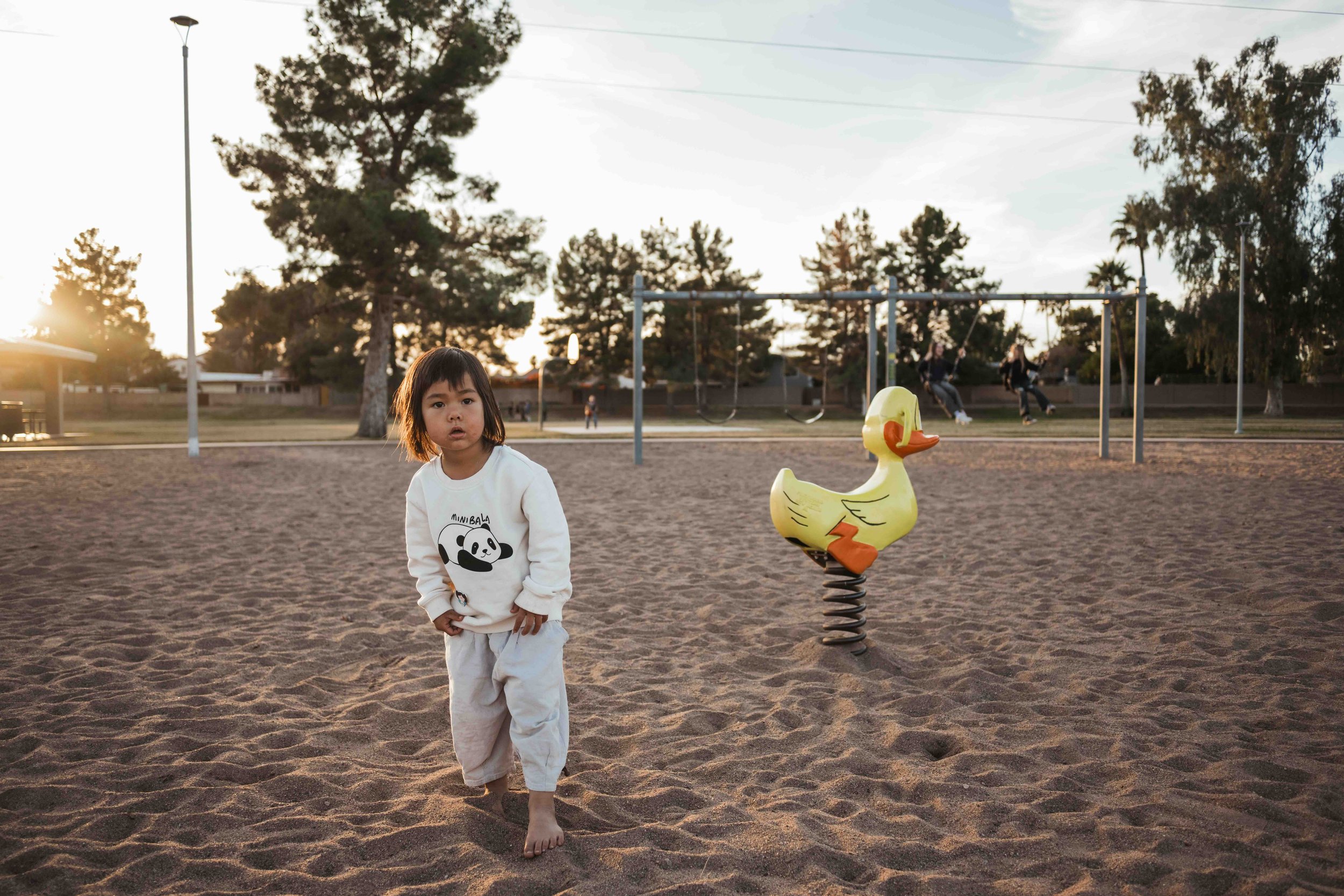
Look at your real life without cropping it into a square. Let your eyes rest on the edges. Pay attention to the details. Let yourself process instead of perform.
Use art — whether photography, writing, painting, or simply noticing — as a way to understand your life, not to package it.
To photographers: composition still matters.
The frame is not neutral. The crop is not accidental. What you include and what you exclude shapes the story.
Resist the urge to create for the scroll.
Create for the long look.
Slow down enough to see what others rush past.
Because in a world of small squares and fast consumption, depth will always stand out.
And reality — uncentered, imperfect, detailed reality — is still worth paying attention to.
If you feel the pull to slow down — to see your life beyond the square, beyond performance — I would be honored to document it. My documentary family sessions are not about creating content. They are about preserving context. The edges. The details. The moments that don’t announce themselves but quietly shape your story. If you’re ready to invest in photographs that hold the fullness of your real life, you can learn more or book a session here. Let’s make something that lasts longer than the scroll.