

The "Lazy" Myth: What a Piano Contest Taught Me About Labels, Limits, and the Fine Balance of Pushing
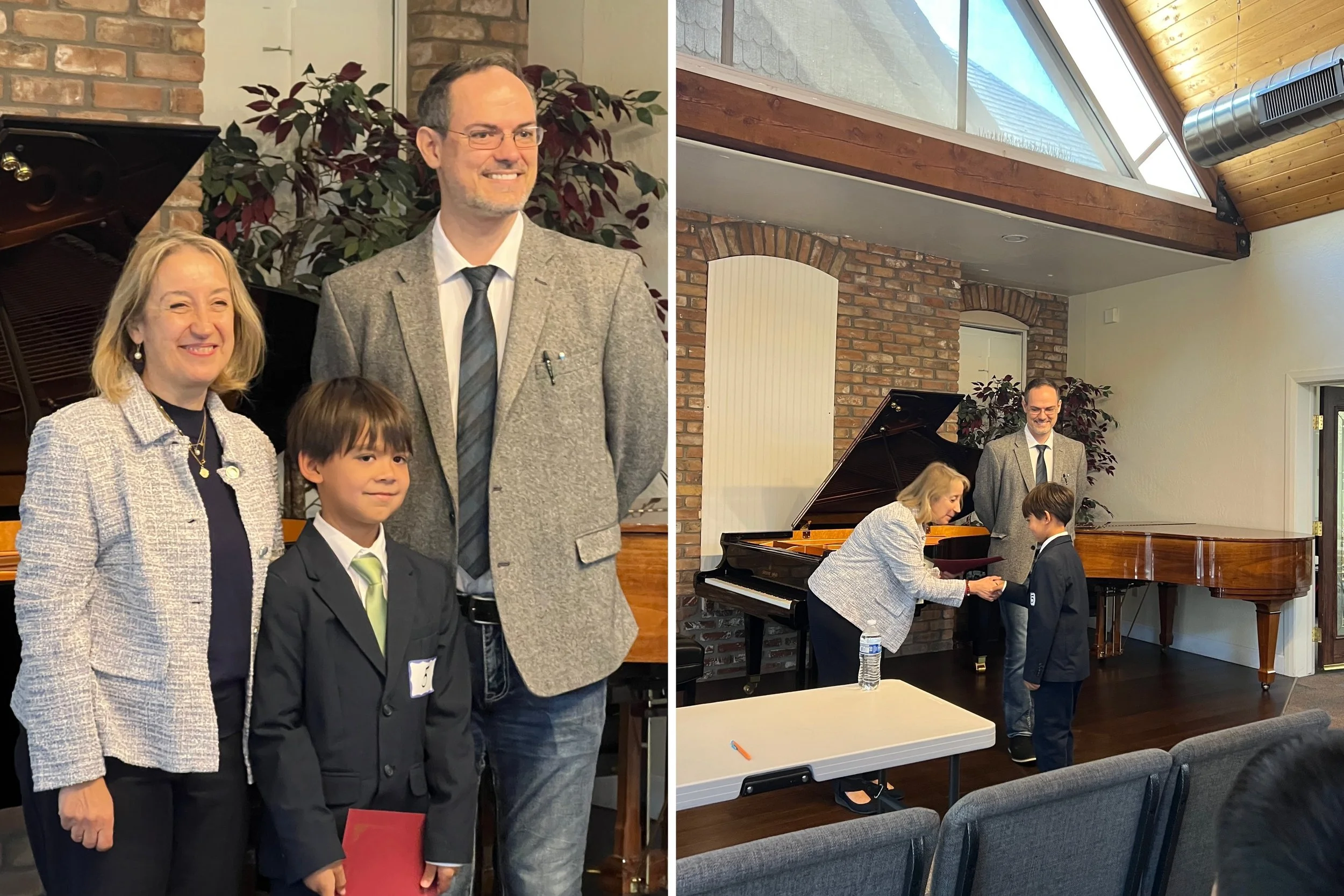
This weekend was a whirlwind of high-stakes emotions. My two oldest children competed in a piano contest, and both walked away with wins. It was a moment of immense pride, but it was also a moment of deep reflection that forced me to pause and re-examine everything I thought I knew about our current learning season.
Recently, we’ve been navigating some unexpected learning challenges with my second oldest. For a long time, I sensed something was "off" in his rhythm, but without a clear explanation, I did what I’ve always done: I held him to a high standard. But as I sat there watching him perform with such precision, I felt a wave of conflicting thoughts that every parent knows too well.
I’ll be honest—there were many days during practice where I perceived his struggle as a lack of self-motivation. When he hit a wall with his music, I wondered if he was being "lazy" or if he simply wasn't trying hard enough.
Now, knowing that there was a physical hurdle quite literally working against him—making the notes on the page a moving target—I feel that familiar sting of parent-guilt. Had I been pushing him beyond his capacity? Was I demanding a "hustle" that his body wasn't equipped for yet?
But then, the flip side hit me. Because I didn't have an explanation to lean on for the last year, I didn't lower the bar. I assumed he could, so he did.
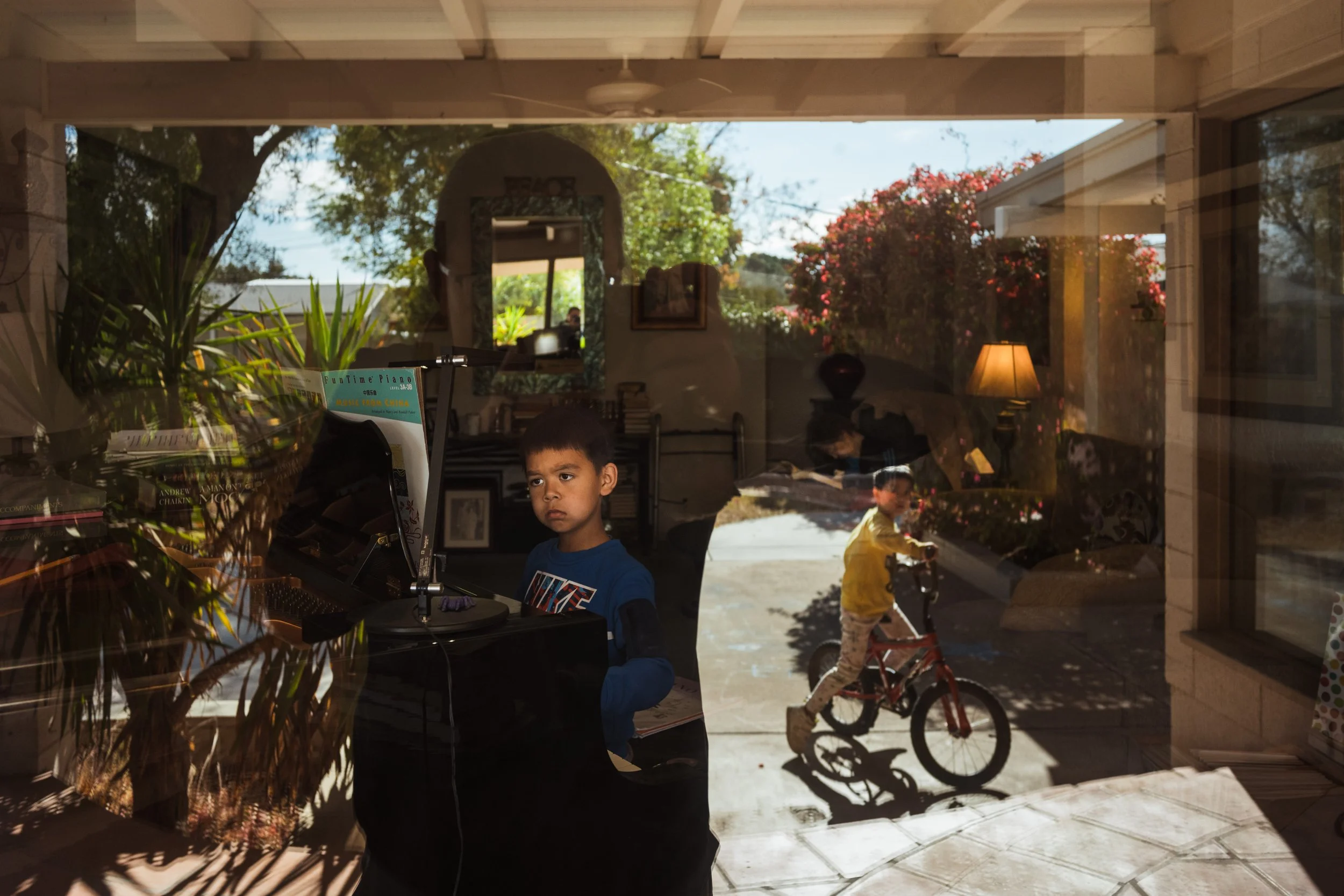
This is the delicate dance of individualized education. One of the greatest perks of homeschooling is close observation—the ability to see the tiny shifts in our children's capabilities. However, I feel that there is a real danger in "labeling" a struggle too early or too heavily:
When we assume a child cannot because of a challenge, we subconsciously lower the bar.
When the bar is lowered, we give them a permission slip to only meet that lower expectation—a self-fulfilling prophecy.
They begin to see themselves through the lens of their "struggle" rather than their "strength."
My son reached a high-achieving level of piano because we worked through the challenge, even when we didn't have a name for it. His victory is a testament to the fact that high standards and deep support are not mutually exclusive.
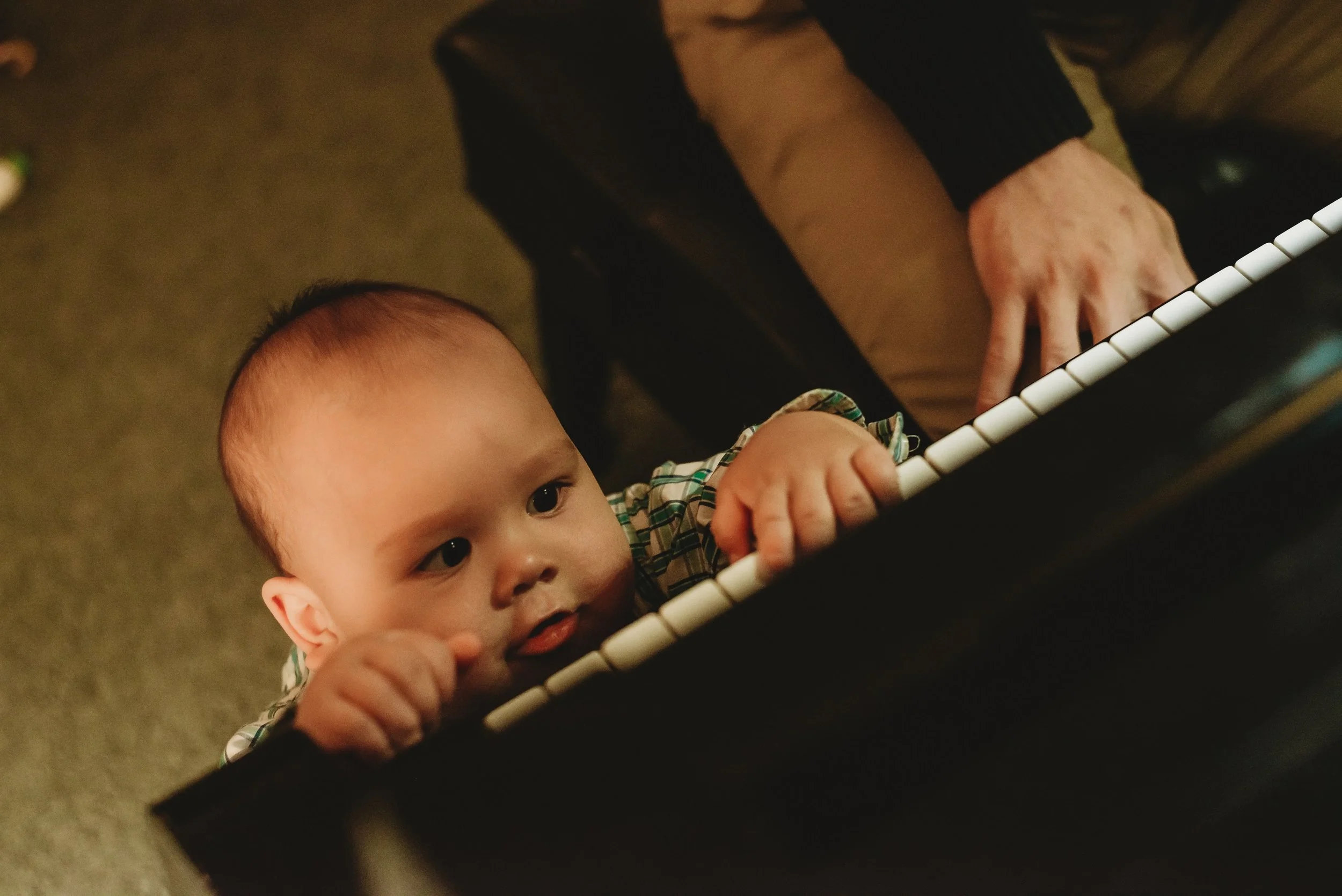
As soon as I identified the specific hurdle he was facing, I felt an immediate urge to overcorrect. My first instinct was to pull back on everything—to slow the pace of his practice and lighten his workload.
But then, the second wave of worry hit: If I am the one who decides to lower the bar, am I actually limiting his potential? I have heard it from his teacher and many other people that “he’s got so much potential and talent“. I worry that he won’t progress as much as he is truly capable of if I am the one making the decision to halt. It’s the ultimate parenting paradox: I want to protect him from the strain, but I don’t want to rob him of the growth that comes from the climb.
We have an upcoming piano level test, and we are going to finish this season strong— he is ready, and he is capable of passing it with flying colors again. But as I look toward the next year of learning, I’m planning a shift in my own "system."
I want to move away from being the one who dictates the pace and instead truly learn to follow his lead. I want to be the "support" rather than the "driver"—providing him with the tools to navigate his challenges while letting him decide how high he wants to aim.
I’m still figuring out how to strike that fine balance between acknowledging the hurdle and refusing to let it become a permanent ceiling.
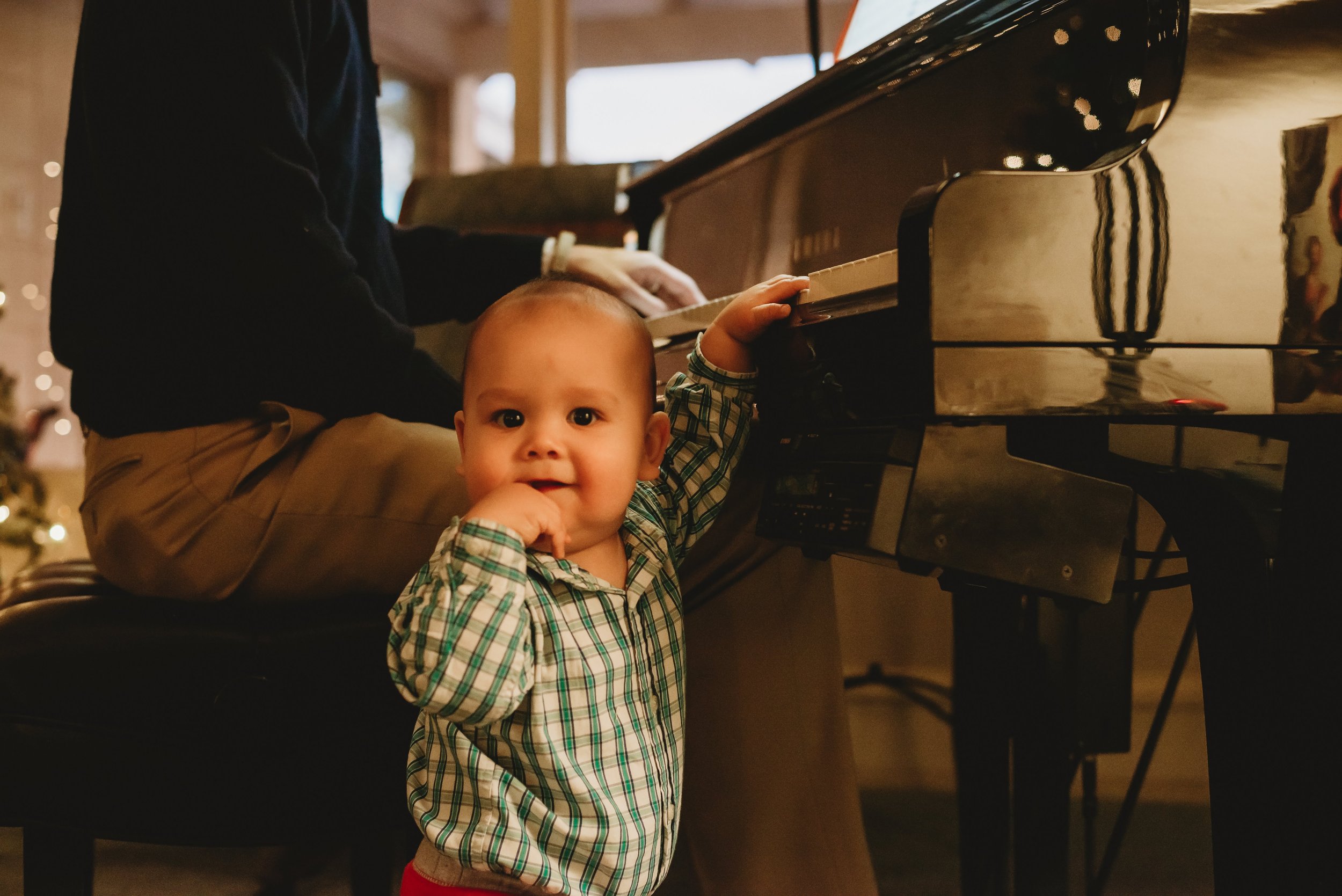
I know I’m not the only one walking this line. We want to be the soft place for our kids to land, but we also want to be the ones who believe in them enough to tell them they can do hard things.
I’d love to hear from you:
Have you ever navigated a "hidden hurdle" with your child?
How do you decide when to push through a challenge and when it’s time to pause and pivot?
Do you struggle with the fear of "lowering the bar" too much?
Let’s talk in the comments (or just commiserate together). We’re all just trying to find the rhythm that helps our kids truly shine.