More Than a Look: What Documentary Photography Taught Me About Real Diversity
We’ve all seen the mood boards.
As photographers, we are often invited to participate in a specific kind of vision. The brief calls for a "diverse look," and we see the checkboxes: a beautiful mix of skin tones, varied ages, perhaps a multi-generational family in a sun-drenched, minimalist living room. In the commercial world, this is celebrated as inclusion—and it is a vital starting point. Representation matters deeply.
But lately, I’ve been sitting with a question: When we celebrate the "look" of diversity, are we also making room for the "life" behind it?
When we scroll through curated grids of lifestyle photography, a certain rhythm emerges. The families change, but the environment often remains static. The clothing stays in a specific palette of neutral linens; the homes are airy and uncluttered; the "real life" moments are carefully framed to remain "pretty."
In this space, we risk creating a new kind of standard—one where diversity is welcomed, provided it fits within a pre-determined, polished aesthetic. It’s a sanitized version of our world, one that often polishes away the very things that make a family’s story unique.
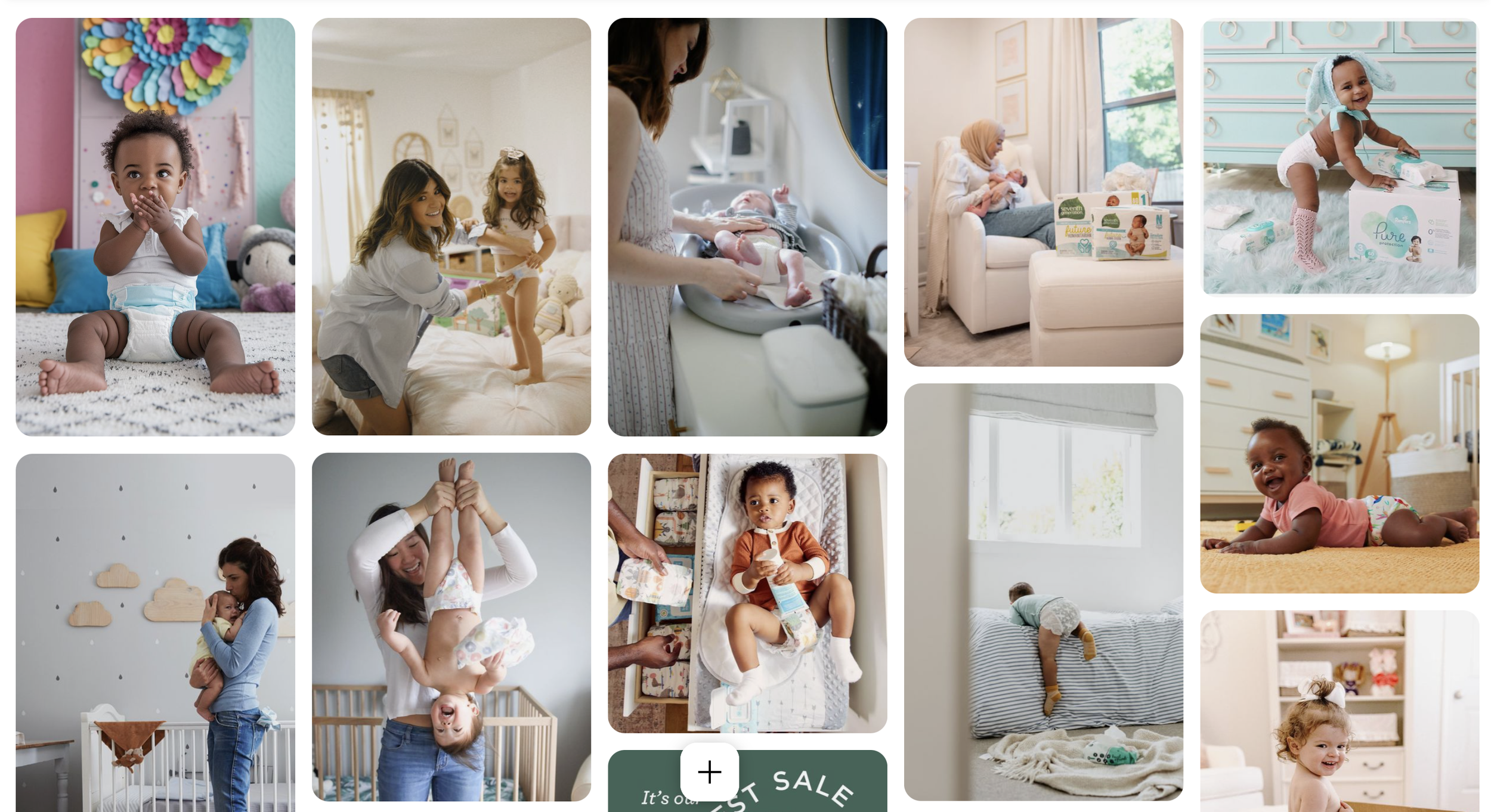
Pinterest Search Results for “Lifestyle Diaper Ads“
I find myself thinking about this most when I am documenting the quiet, unposed rhythms of a home. Take something as simple as a diaper.
In a commercial campaign, it’s a prop—a symbol of a "standard" nursery. But in my documentary work, I have seen how that same object carries a different weight. For a family navigating medical complexities or a child with special needs, that diaper isn't just a nursery staple; it is a vital tool for dignity. It is what allows that child to engage with their world.
When we feel the need to hide these "unpolished" realities to keep a photo "marketable," we aren't just adjusting the aesthetic. We are inadvertently quiet-casting the actual lived experiences of the families we claim to represent.
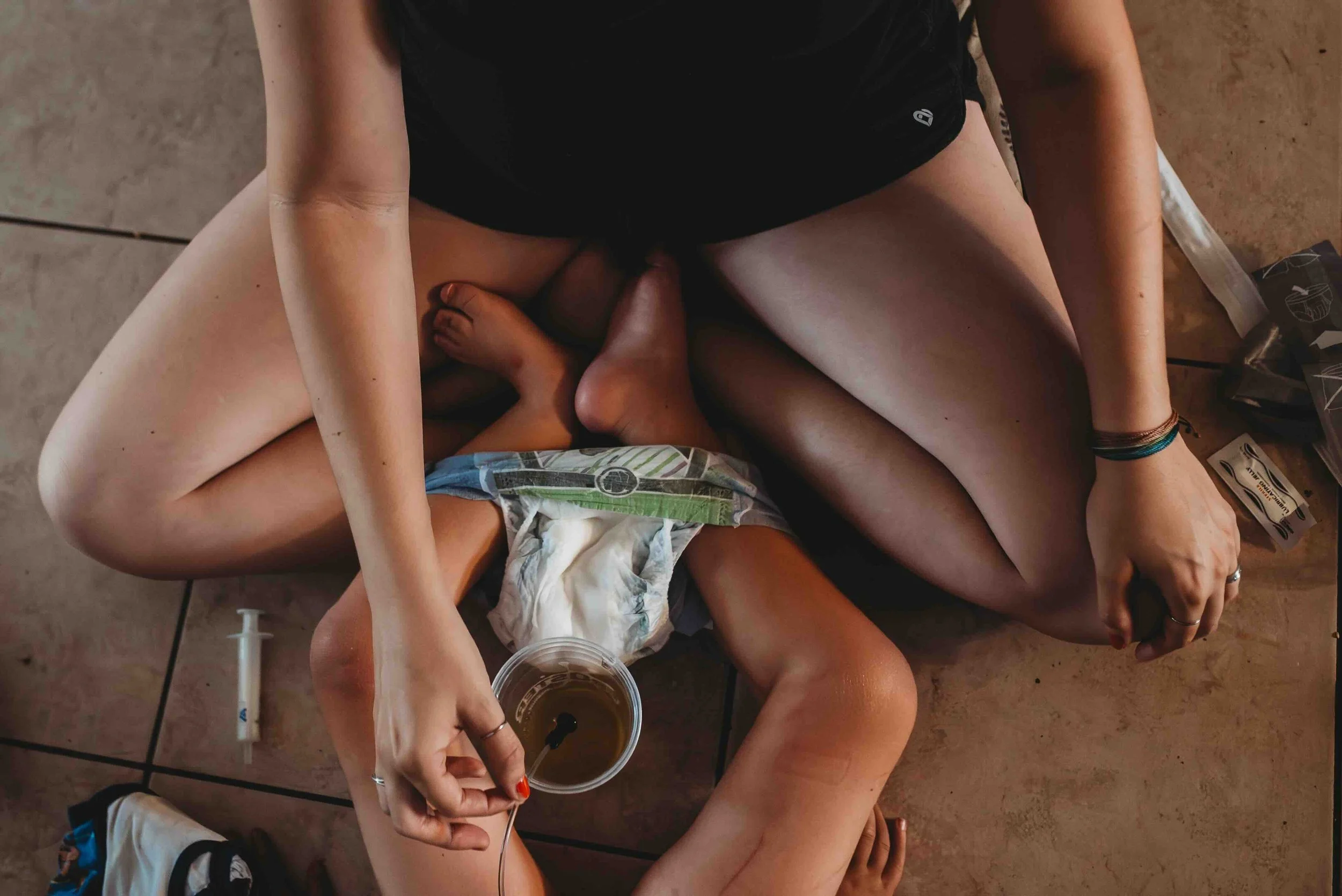
True inclusion isn't about making sure everyone looks the same in a white-walled studio. It’s about having the heart to see why a family’s life looks different—and the artistic courage to call that difference beautiful.
Documentary photography offers us a middle path. It allows us to move away from "The Industry Standard" and toward "The Human Story." It’s about proving that the specific, unpolished, and medical realities of a home aren't distractions from the art—they are the art.
I invite you to take a look at your own recent work or the media you consume today. Ask yourself: Am I seeing a reflection of a trend, or a reflection of a life? How can we, as storytellers, begin to honor the layers of home that don't always make it onto a Pinterest board?
If these questions resonate with you, I would love to have you join me for a deeper conversation. This year I am teaching the class, "Diversity Beyond the Look," at the 2026 Milky Way Family Retreat. We will explore the ethics of documentary storytelling, how to navigate sensitive spaces with grace, and how to edit with integrity.